

History
University of Pécs
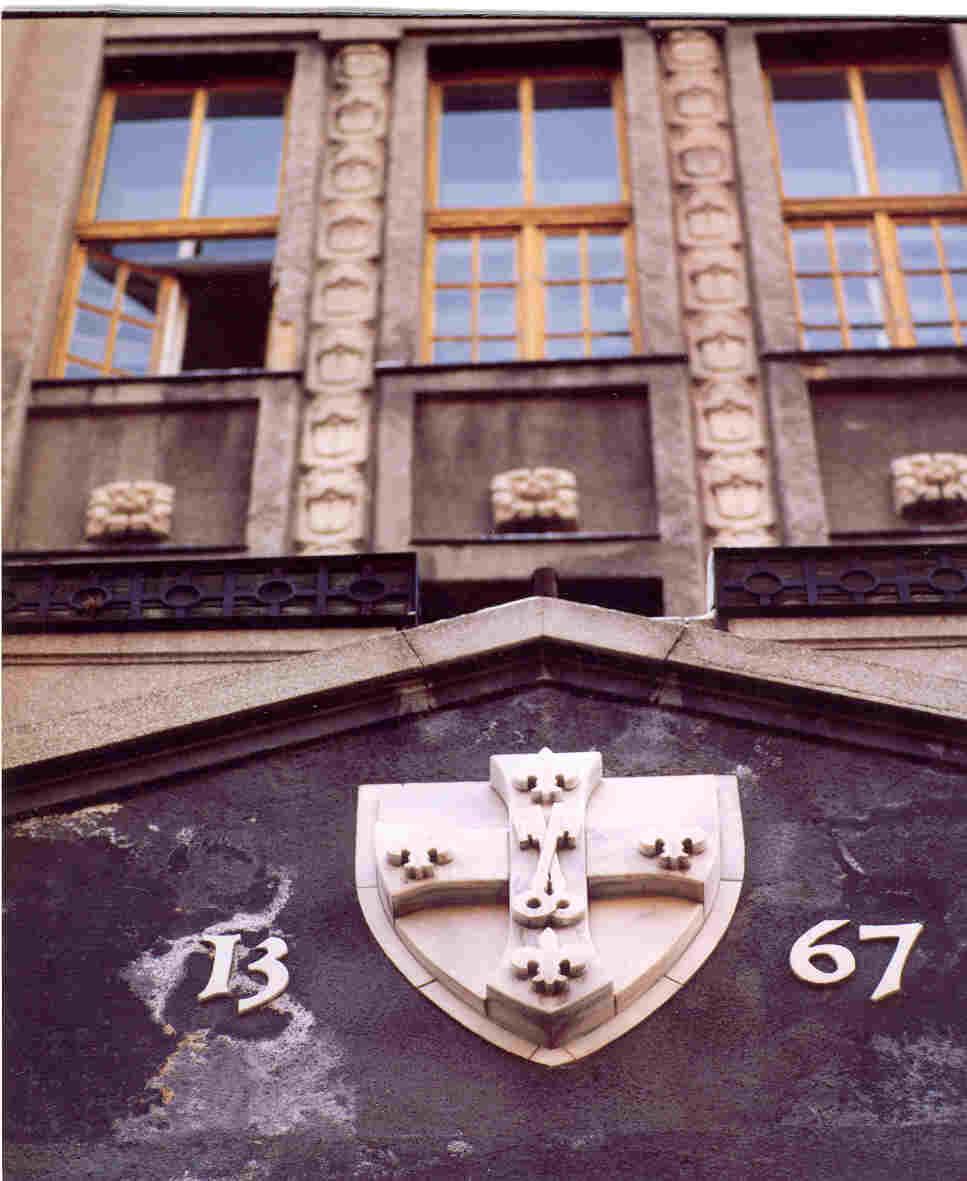
The history of higher education in Pécs dates back to 1367, when King Louis the Great founded Hungary’s first university in the city. This distinguished academic heritage has made Pécs one of the most important centres of higher education in Hungary for more than six and a half centuries.
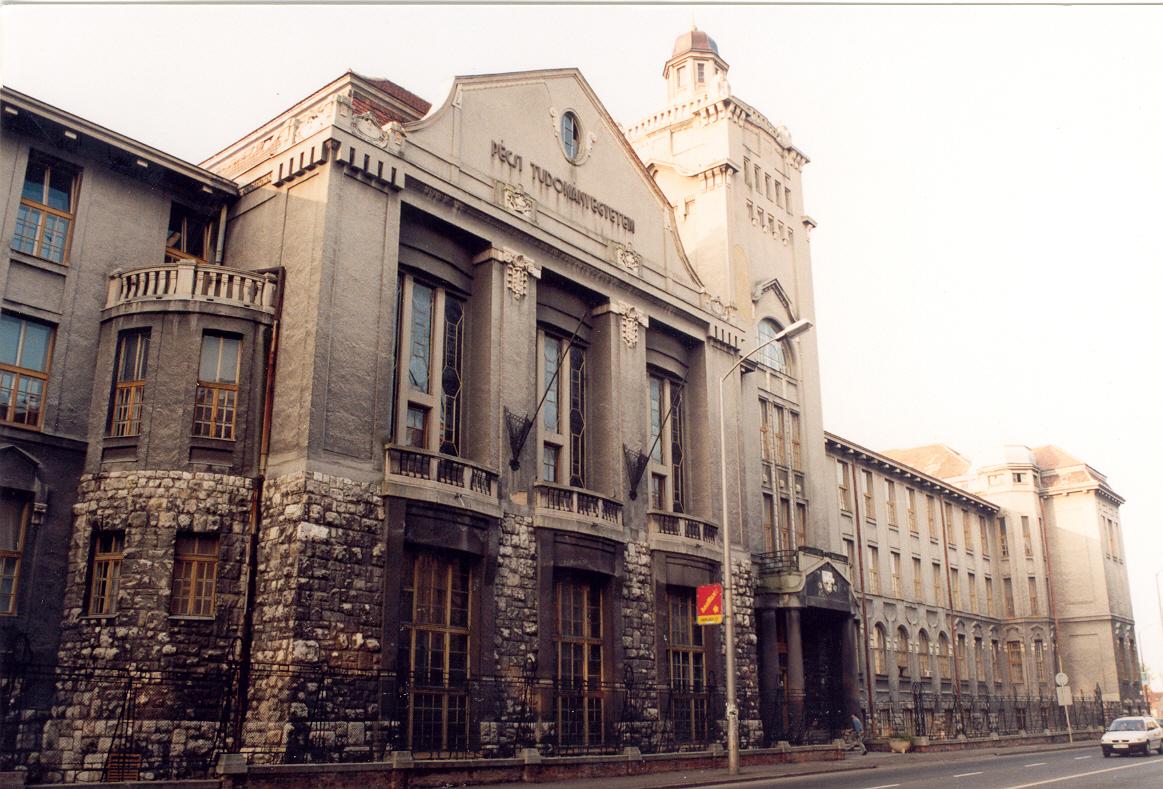
Following various forms of higher education in the city over the subsequent centuries, a decisive chapter in the history of the modern university began in the early twentieth century. In 1921, the Hungarian National Assembly passed legislation providing for the relocation to Pécs of the Royal Hungarian Elisabeth University, originally established in Pozsony (present-day Bratislava). The University began its operation in Pécs in 1923, with faculties representing several major fields of scholarship.
The second half of the twentieth century brought significant institutional development and expansion. The Faculty of Economics was established in 1975, having operated in Pécs since 1970 as a branch of the Karl Marx University of Economics. Further faculties and disciplines were subsequently incorporated into the university, gradually creating the foundations of a comprehensive institution of higher education.
A major milestone was reached in 2000, when Janus Pannonius University, the Medical University of Pécs and the Illyés Gyula Teacher Training College of Szekszárd were integrated to form the present-day University of Pécs. Further organisational and academic development followed, and the University now comprises ten faculties covering a broad spectrum of disciplines in the humanities, social sciences, business and economics, law, medicine and health sciences, natural sciences, engineering and information technology, and the arts.
In 2017, the University celebrated the 650th anniversary of the foundation of Hungary’s first university. Building on this remarkable academic heritage while continuously developing its education, research and innovation activities, the University of Pécs today is one of Hungary’s leading higher education institutions and plays a prominent regional role as an internationally oriented university.
Faculty of Business and Economics
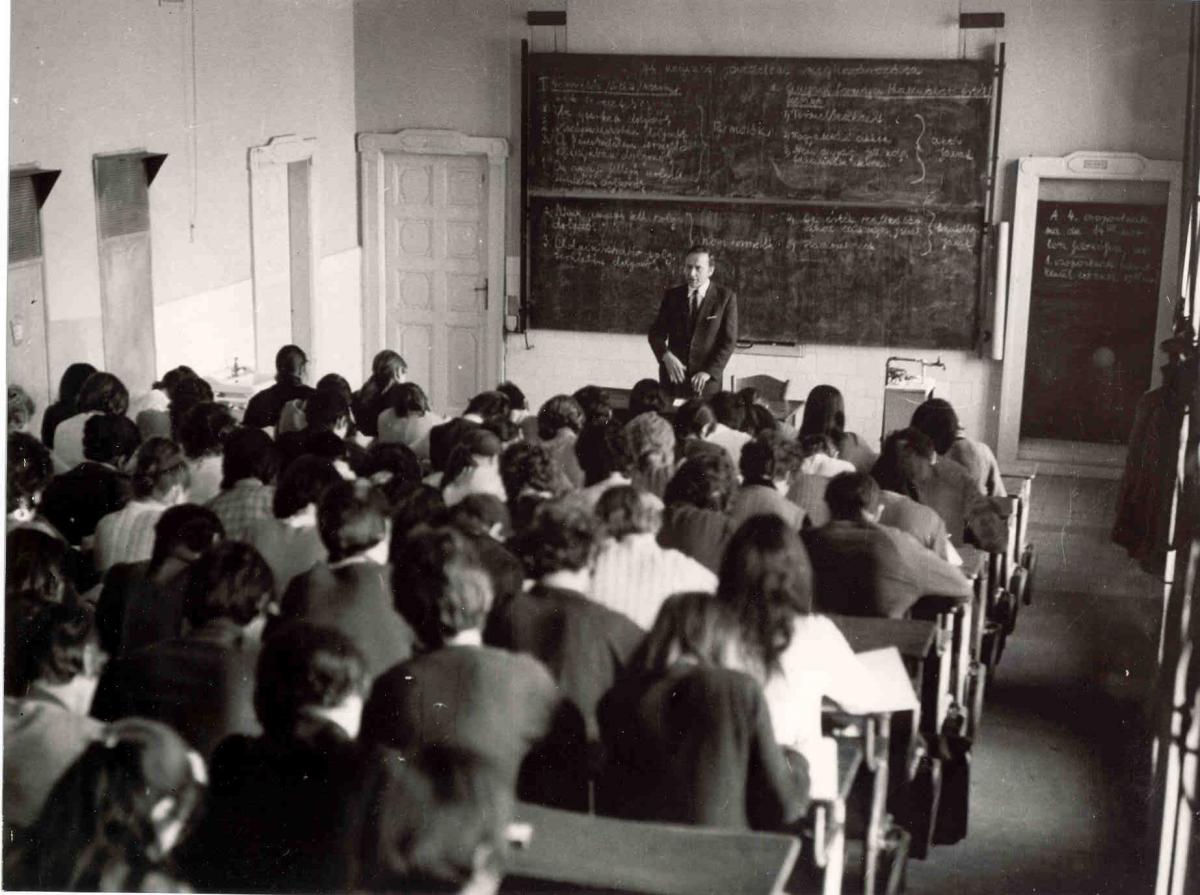
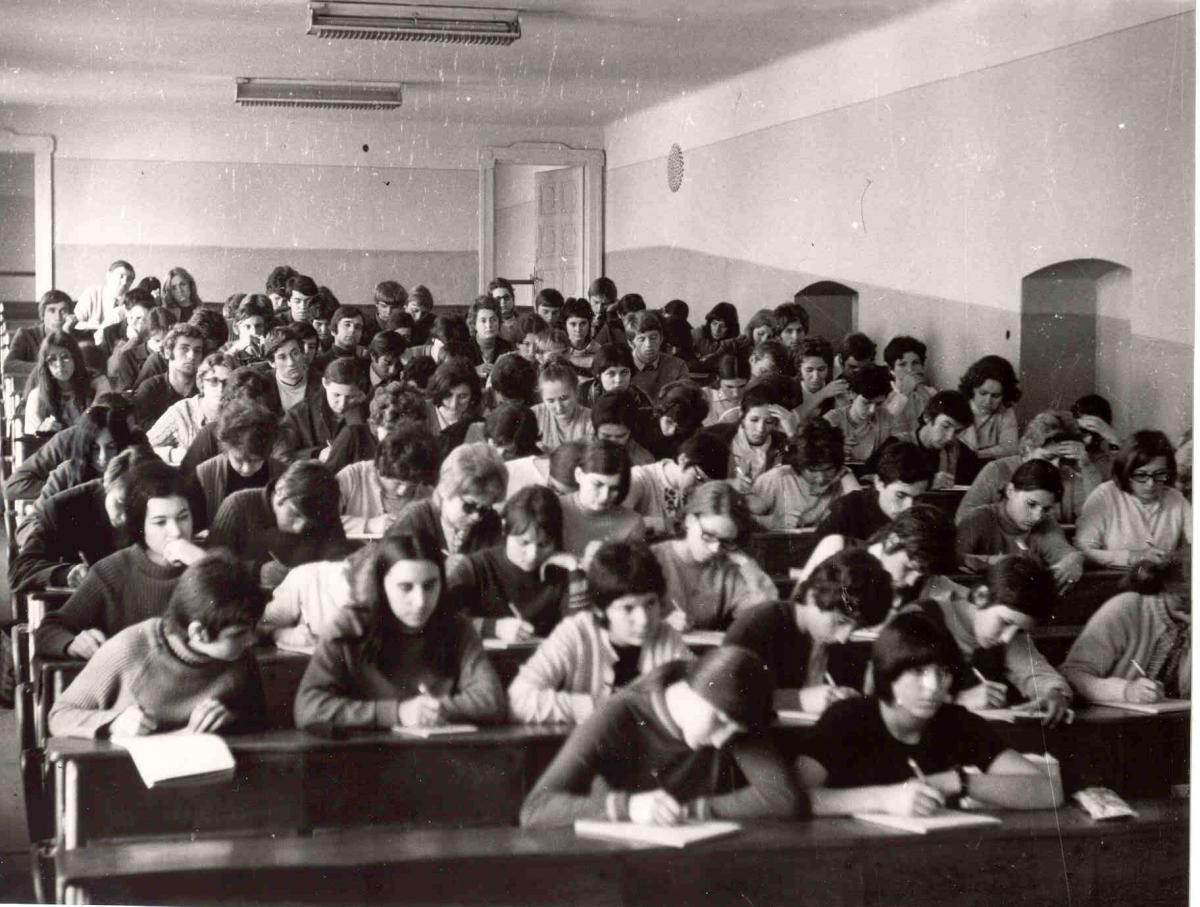
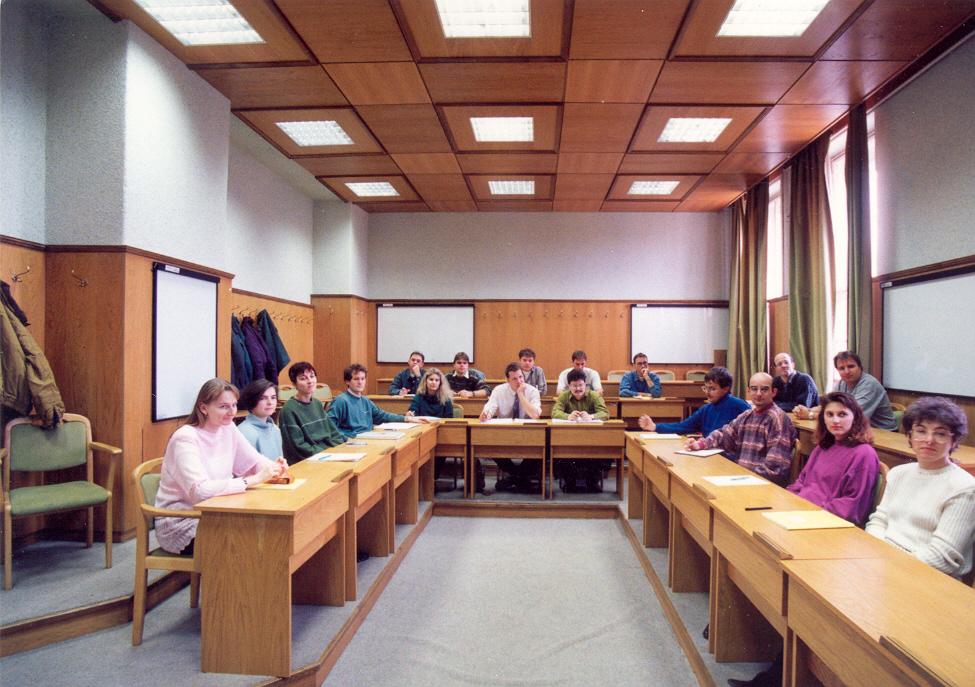
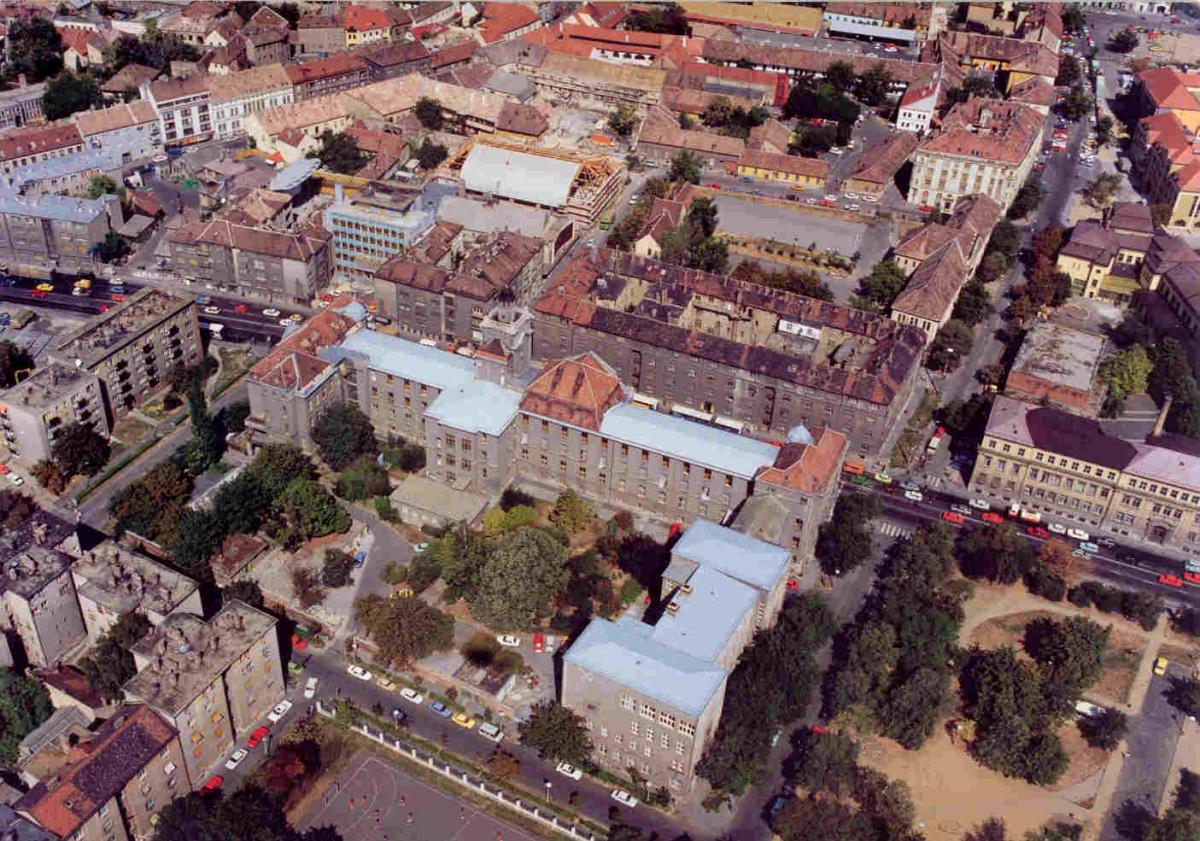
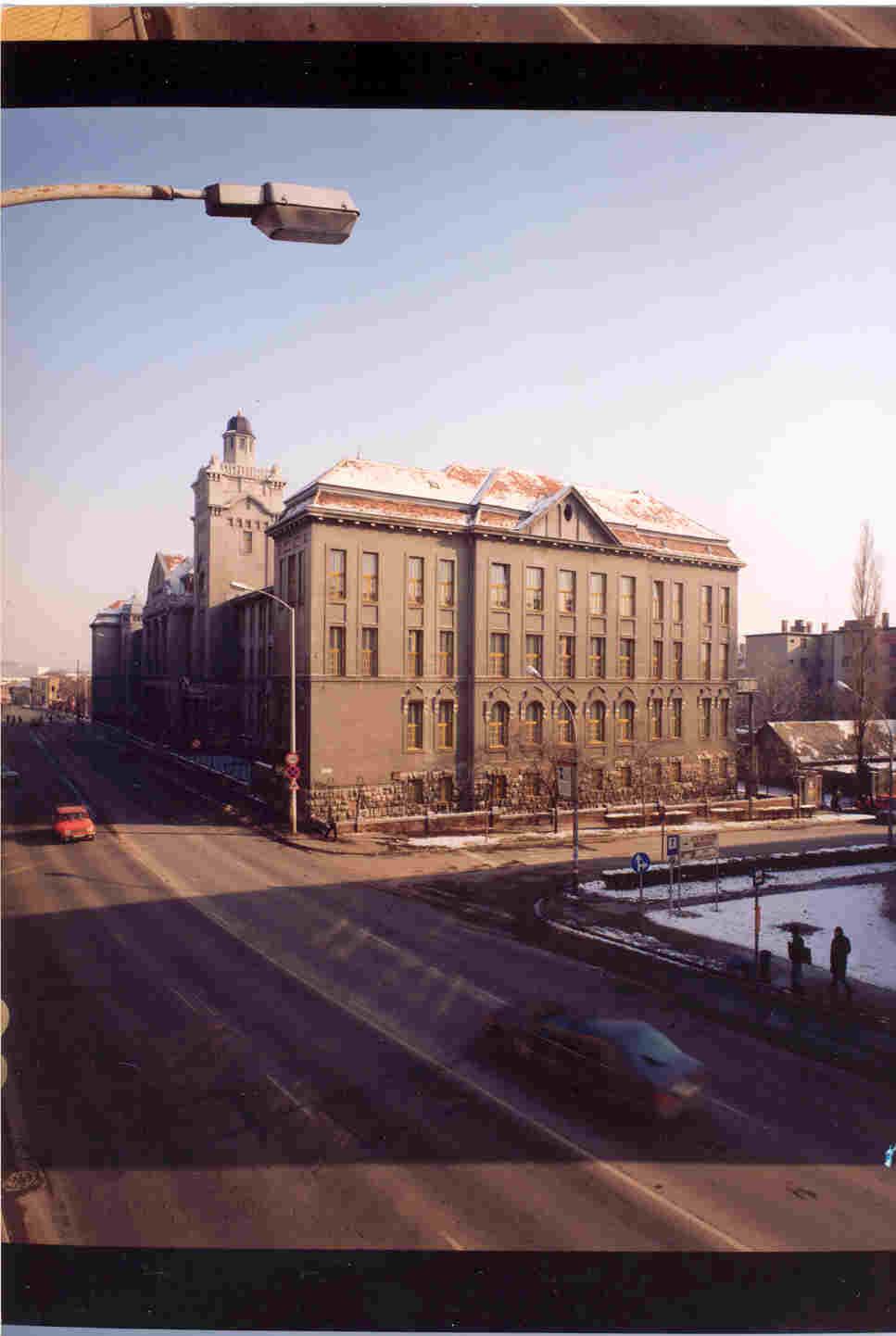
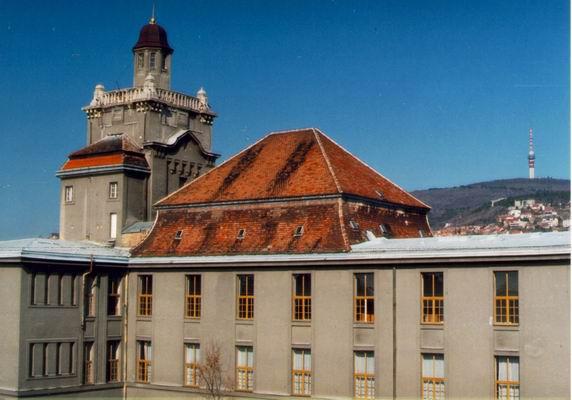
The history of the Faculty of Business and Economics at the University of Pécs dates back to 1970, when 103 students began their studies at the newly established Pécs branch of the Karl Marx University of Economics. The Faculty was formally established in 1975, becoming Hungary’s second oldest university-level school of economics and the first outside Budapest. From its earliest years, it sought to combine rigorous academic education with a strong understanding of the needs of businesses and the economy – an approach that became known as the distinctive “Pécs model”.
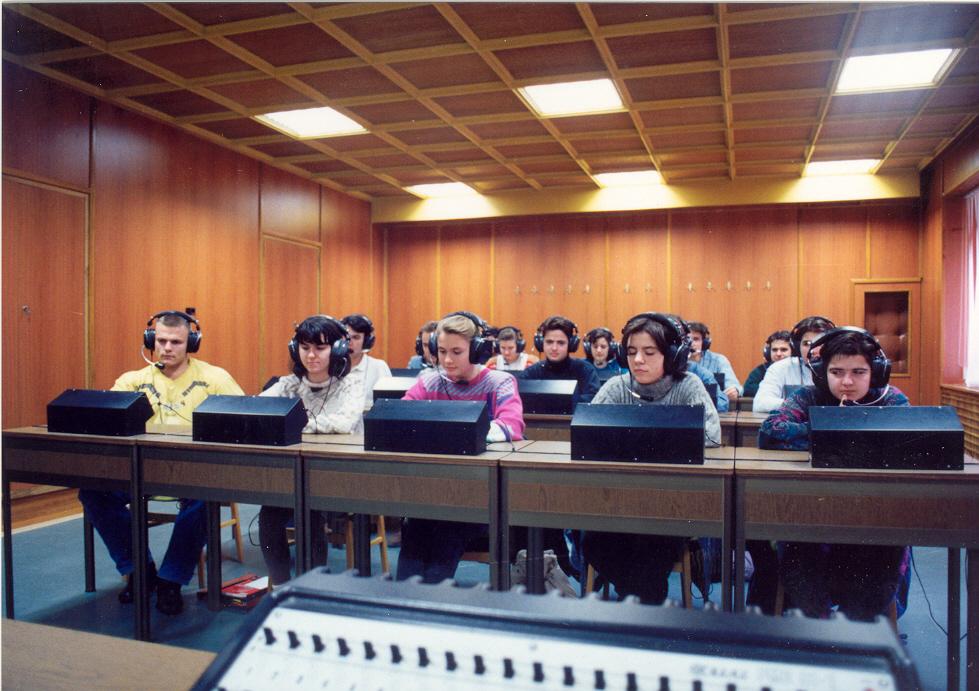
This combination of academic quality, innovation and close engagement with the business community has remained a defining feature of the School throughout its development. Major curriculum reforms from the 1990s onwards introduced increasingly modern, business-oriented content and new forms of degree education, while the School simultaneously expanded its international partnerships. An English-language programme validated by Middlesex University Business School was launched as early as 1996, marking an important step towards the international educational portfolio offered today. The same period also saw the development of doctoral education, with the School’s doctoral programme becoming the first registered doctoral programme in business and management in Hungary.
Over the following decades, the School continued to broaden its educational and research activities, strengthen its international orientation and deepen its relationships with the regional and national business community. Its educational philosophy increasingly emphasised practice-oriented learning, international experience and the integration of contemporary business challenges into the curriculum. These principles continue to shape the School today.
Internationalisation has become one of the central dimensions of the School’s development. Today, the Faculty of Business and Economics offers one bachelor’s, three master’s and two doctoral programmes in English, providing international students with opportunities across different levels of business and economics education. The quality and international relevance of this portfolio are reflected in the School’s achievements in international accreditation: two of its programmes (the Business Administration and Management BSc and the Management and Leadership MSc) have been awarded EFMD Programme Accreditation, while all other international programmes are operating under the same quality standards. These achievements place the School among a relatively small group of business schools in the region whose programmes have successfully undergone this rigorous international quality assurance process.
More than fifty years after its establishment, the School continues to build on the principles that have characterised it from the outset: academic excellence, innovation, international openness and close engagement with business and society. At the same time, its ambitions extend beyond preserving this heritage. Through the continuous development of its programme portfolio and research performance, stronger international visibility and partnerships, and an increasing emphasis on societal impact and sustainable development, the School aims to further strengthen its position within the international business education community.
Gallery