

Corporate Talk recap - ALDI
2026. June 3. 09:35
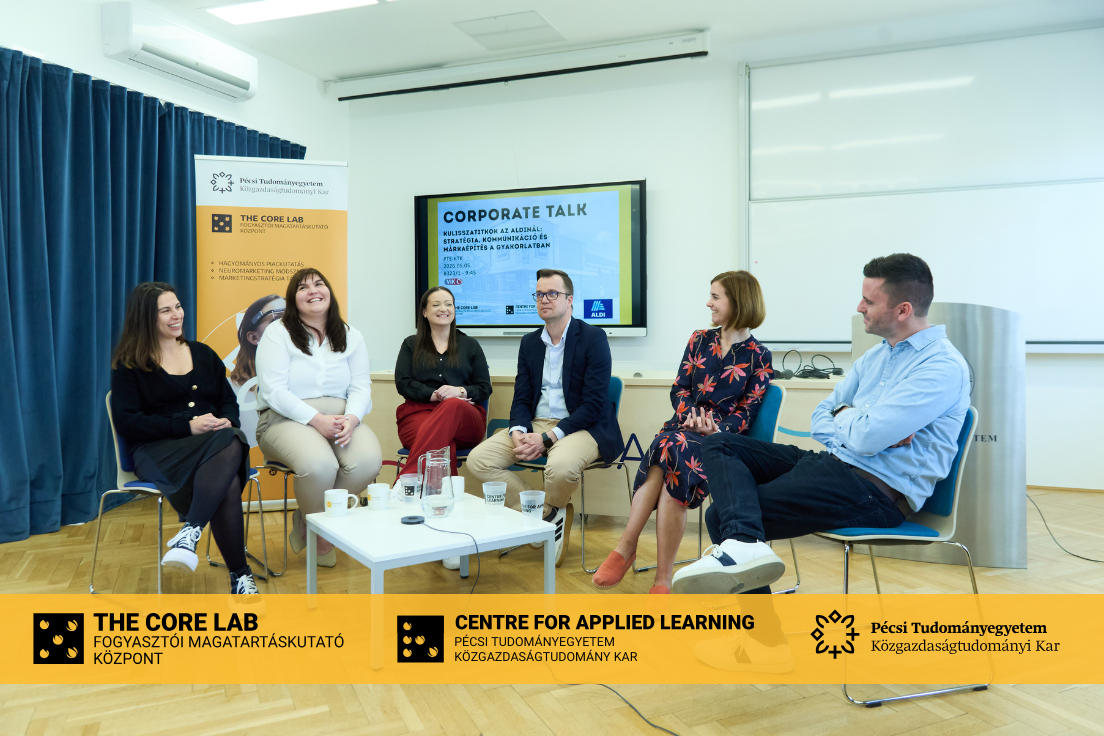
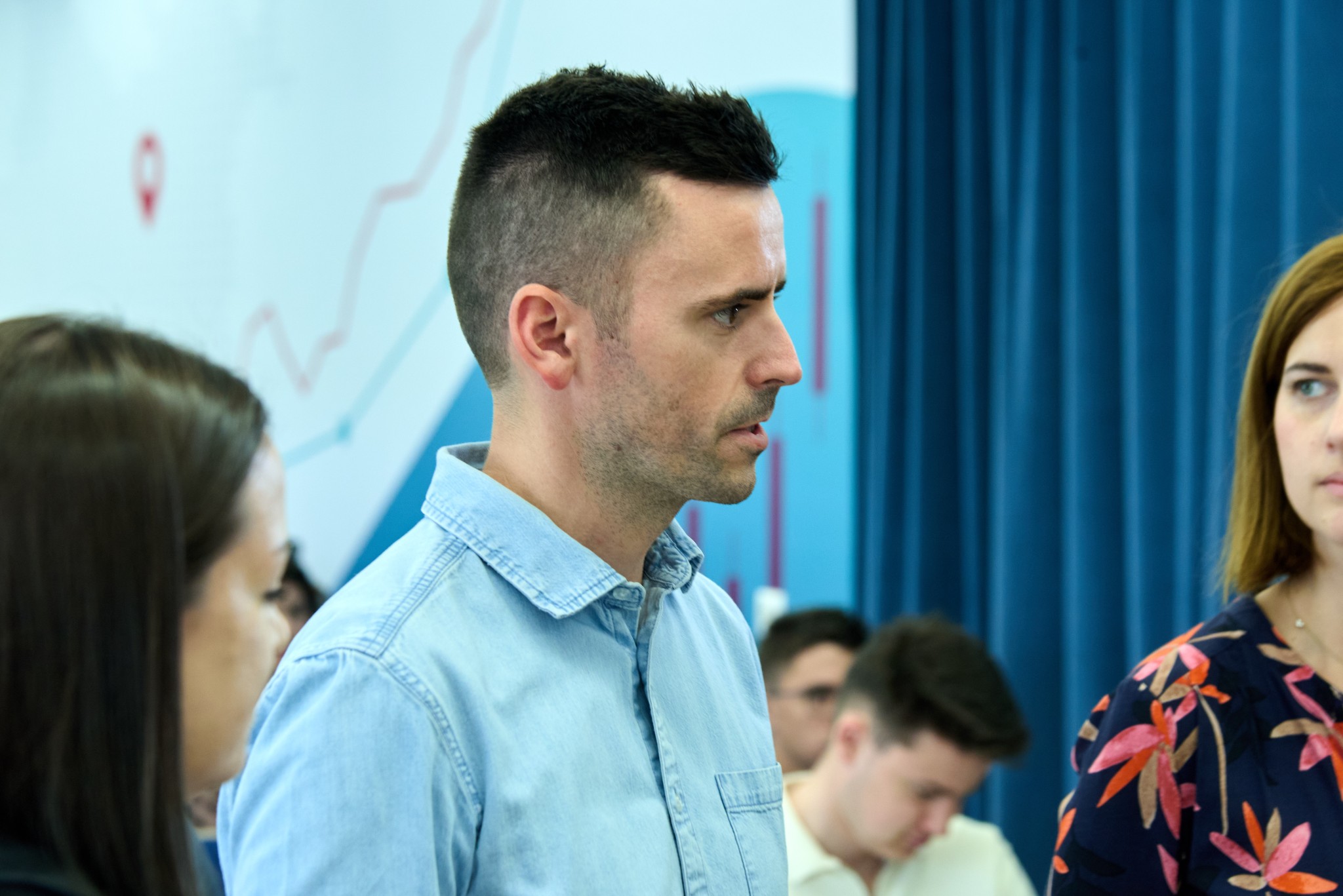
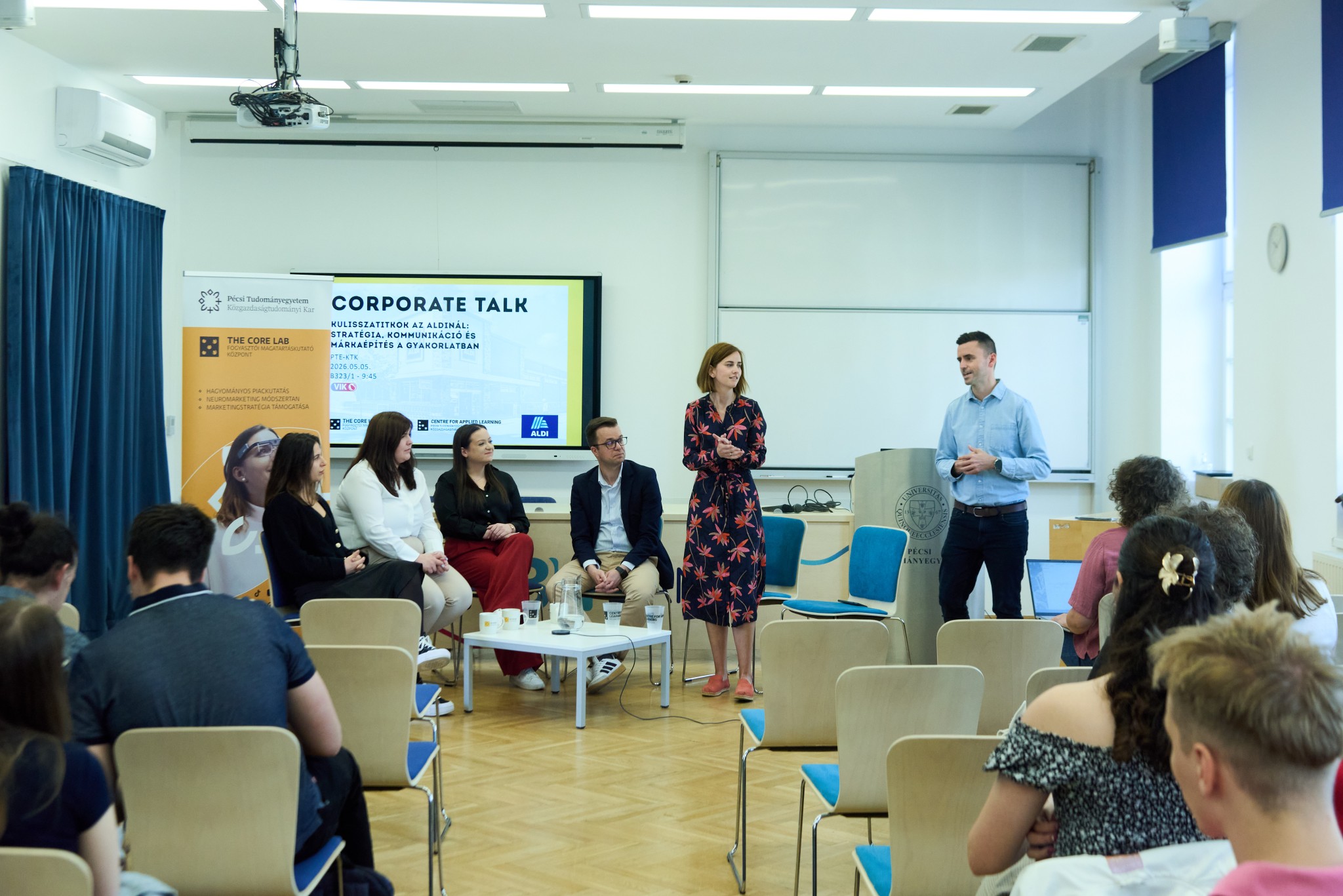
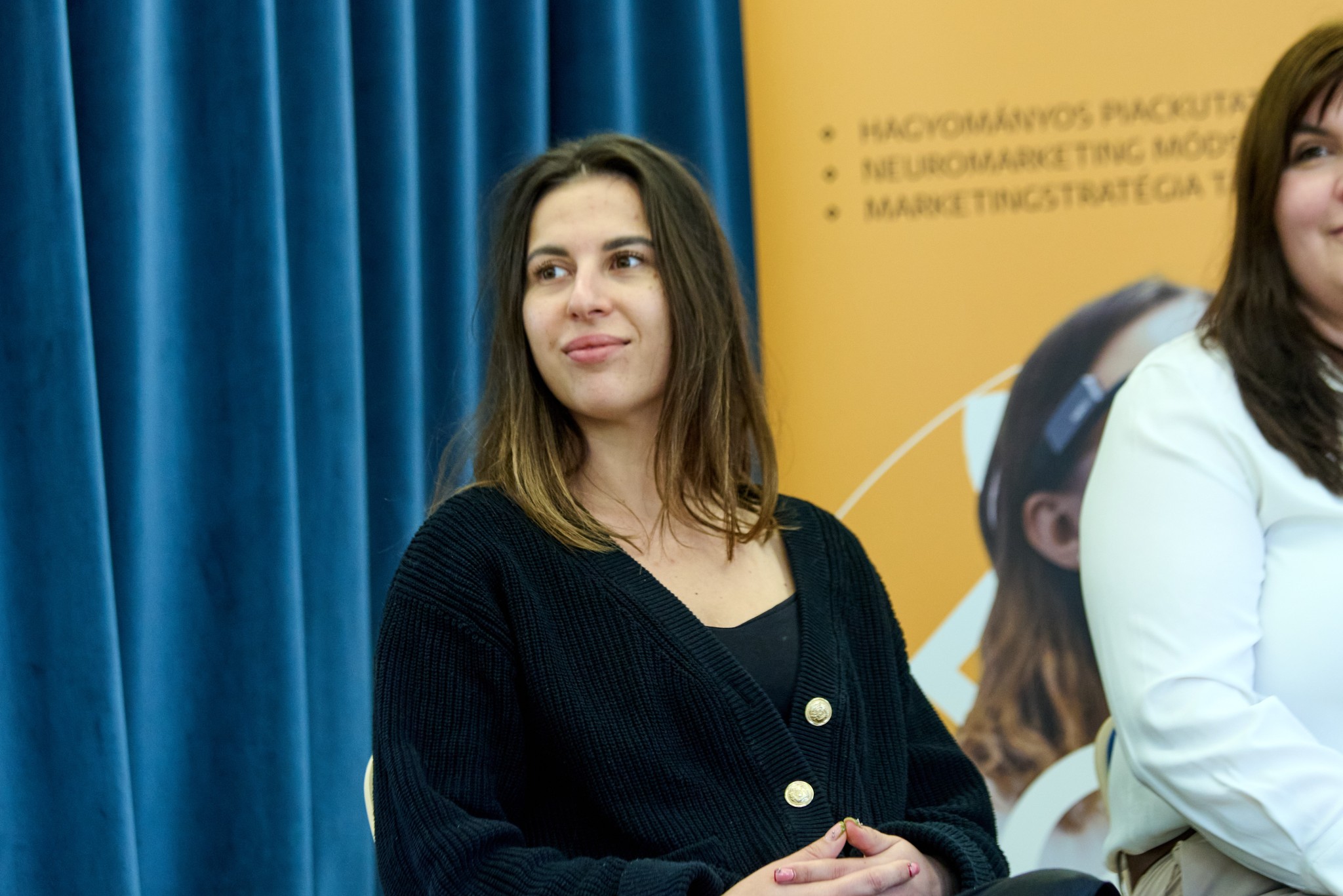
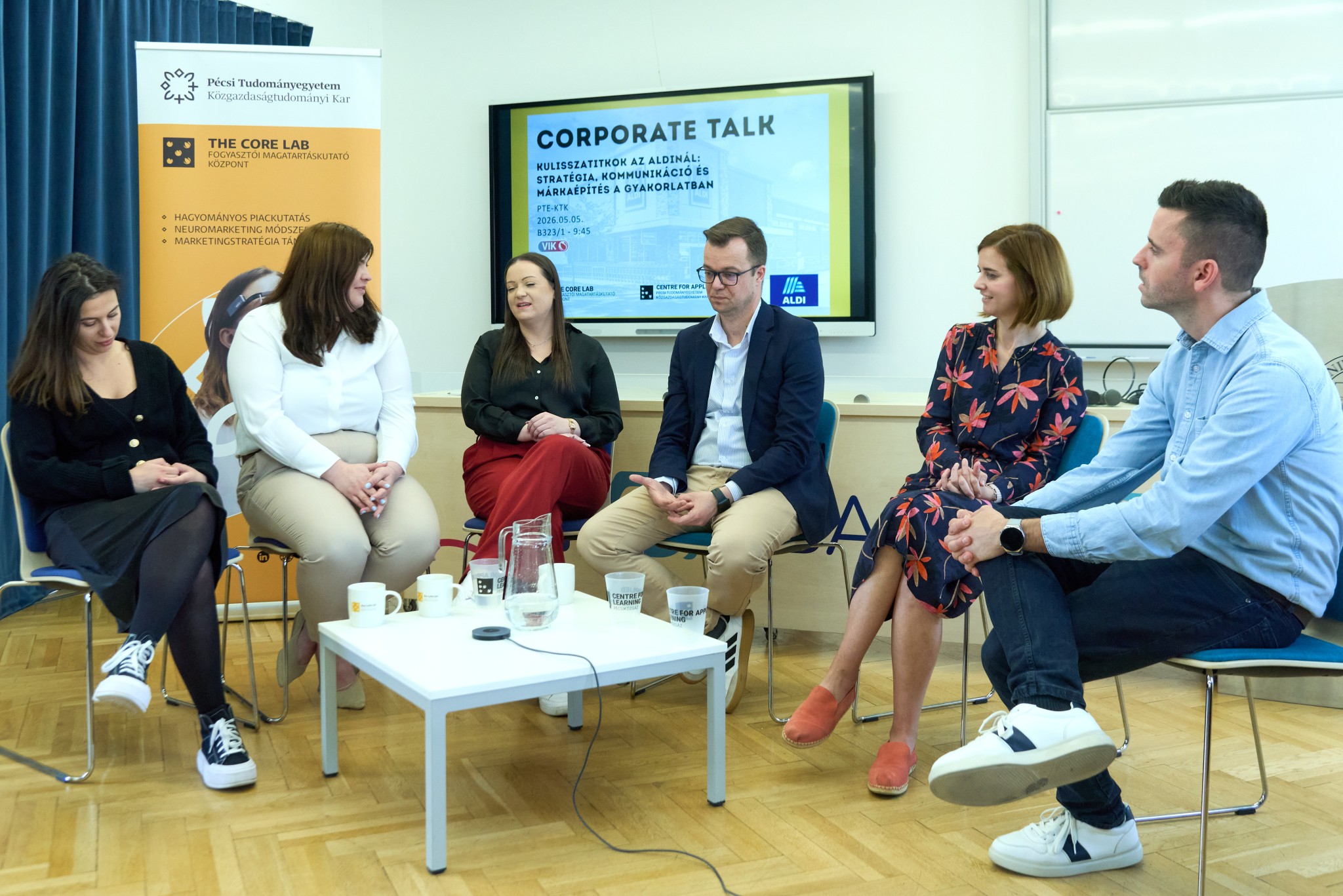
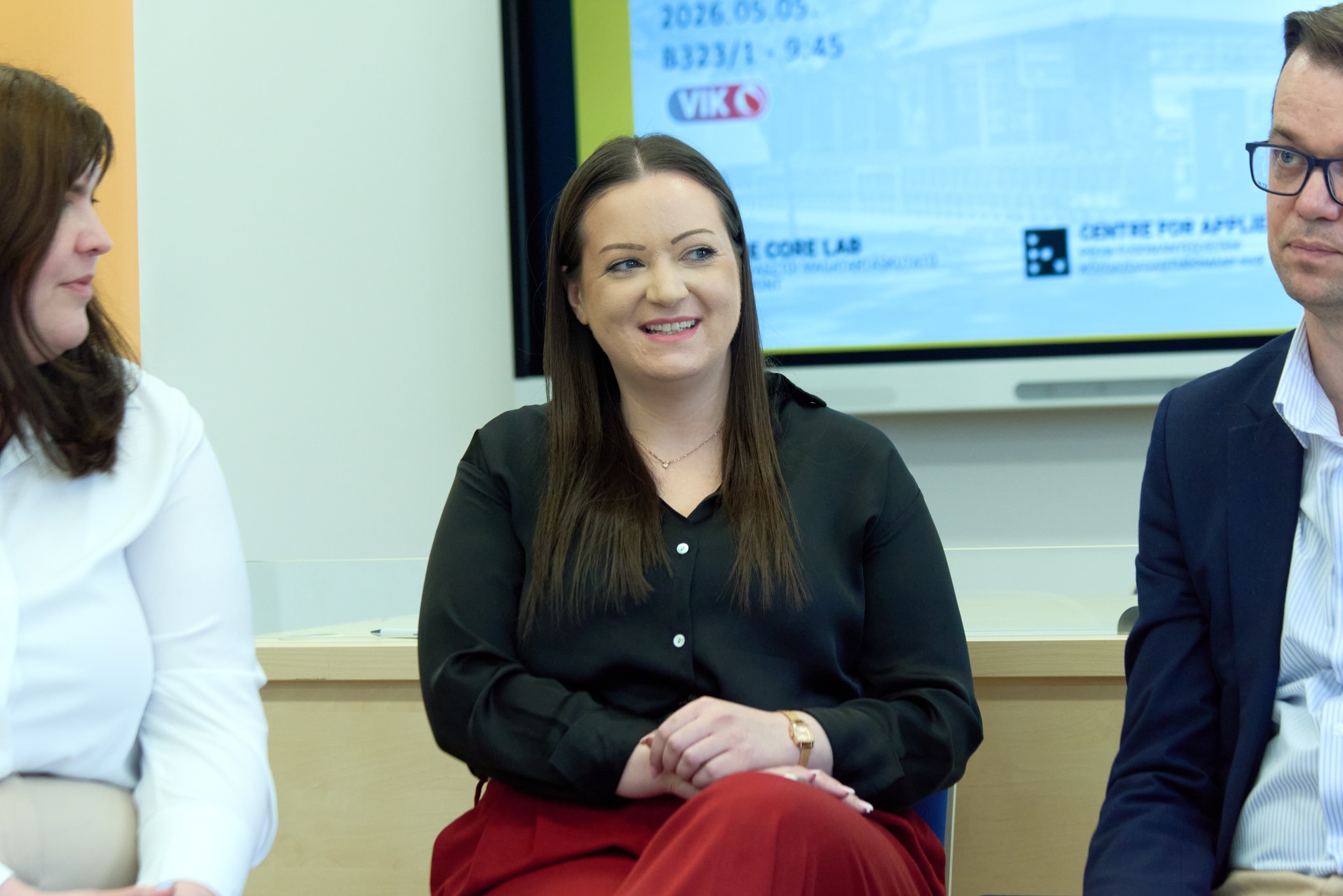
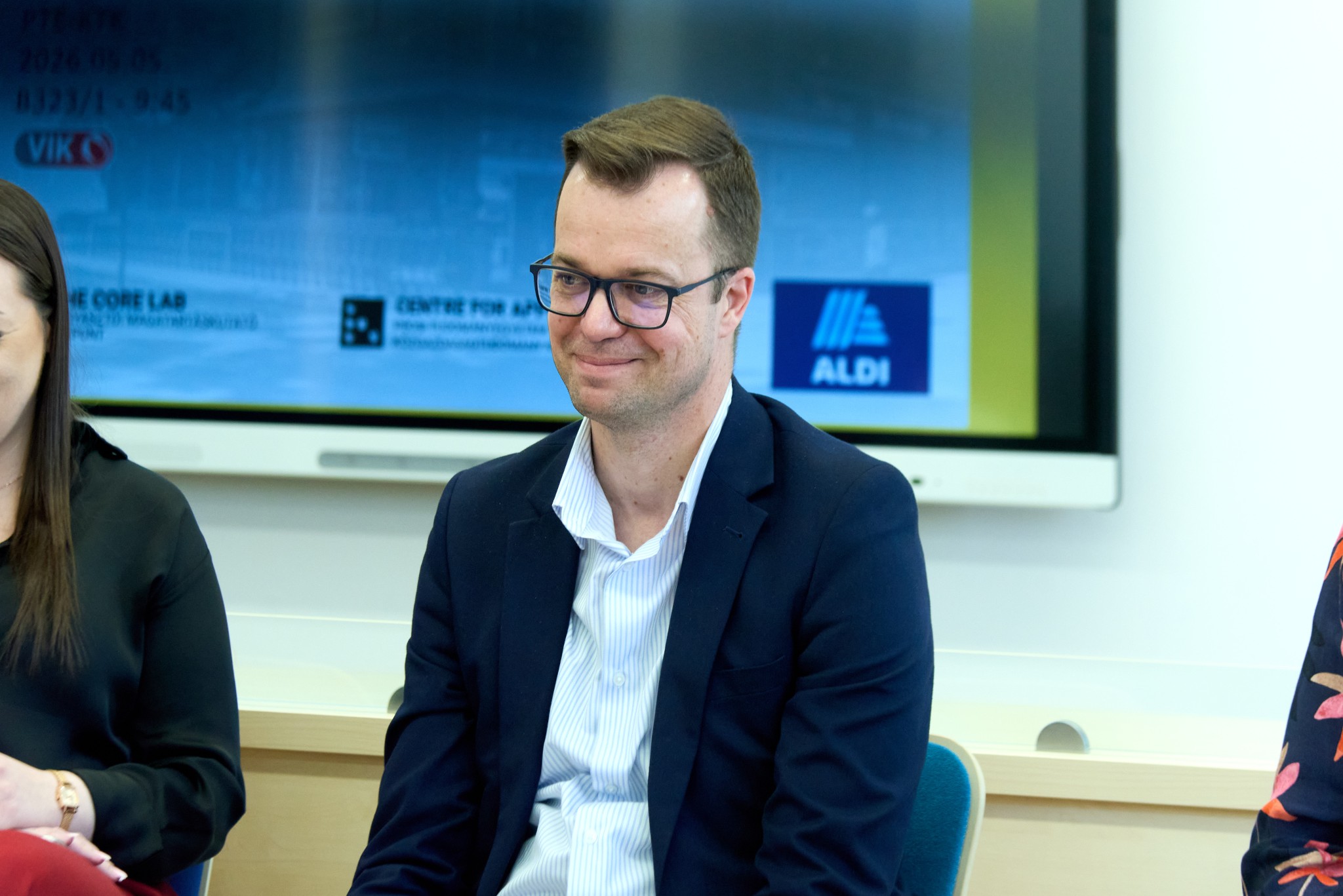
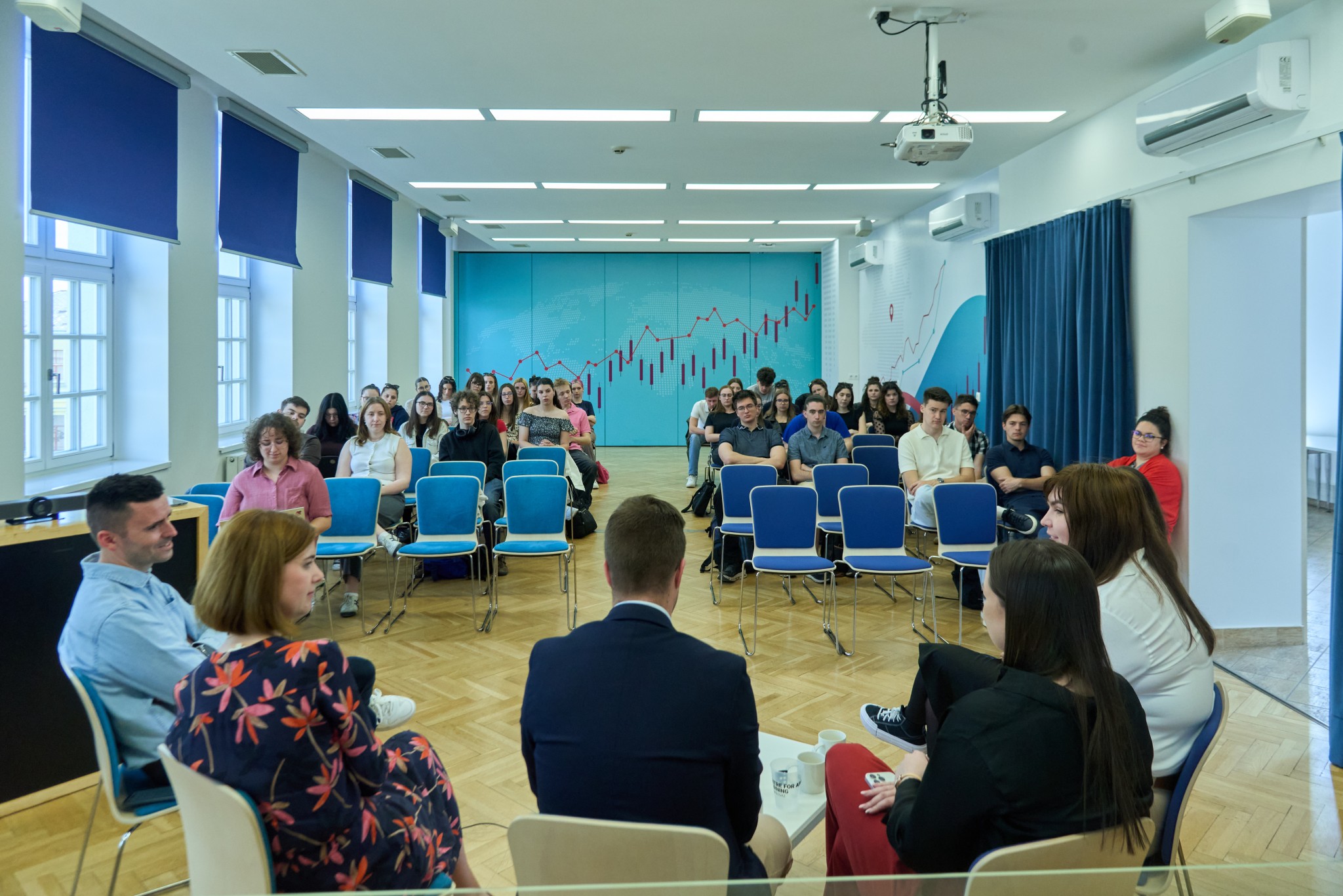
We were pleased to welcome the ALDI team as the final guests of this semester’s Corporate Talk series. Our guests included Laura Sparta (Marketing & Communication Team Lead), Adrienn Botka (Customer Interaction Manager), Diána Bencsik (HR Manager), and László Bejó (Online Marketing Manager), who shared valuable insights into marketing, customer engagement, human resources, and the company’s operations.
How has Aldi evolved since 2008?
The brand entered the Hungarian market during the economic crisis, under relatively limited expansion opportunities. The core principles of the discount philosophy simplicity, fast processes, and efficiency remain central today, but stores have become significantly more modern, featuring energy-efficient solutions, electric charging stations, and numerous smaller improvements driven directly by customer feedback.
The market and consumer behavior
Retail operates in a functioning yet highly regulated environment. Additional taxes and pricing regulations limit flexibility for all market players, while consumer behavior has also shifted toward more frequent, lower-value purchases, stronger promotion sensitivity, and faster reactions to price changes.
HR: new expectations, faster processes, more conscious candidates
The number of applicants is not the primary challenge, but finding the right candidates often is. Wage transparency regulations have created a new environment, while candidates now evaluate opportunities more consciously, considering workplace culture, leadership style, flexibility, and the overall benefits package.
Recruitment processes need to be both fast and consistent because candidate attention can quickly shift elsewhere. The first months of employment are particularly critical from a retention perspective.
Market research: decisions driven by data
ALDI analyzes consumer and communication processes across multiple levels, including weekly advertising tracking, monthly website feedback collection, and panel research studies. When campaign performance is unclear, quantitative findings are complemented with qualitative methods.
A recurring insight is that simple, relatable stories often perform better than larger-scale image-focused campaigns.
Social media: different platforms, different dynamics
Each major platform creates a distinct communication environment:
- Facebook tends to generate stronger emotional reactions
- TikTok favors lighter, more entertaining content
- Instagram audiences generally respond in a more reserved manner
Feedback is continuously used to refine creative materials, react to product-related concerns, and occasionally involve the community directly in decision-making processes. These platform differences clearly demonstrate how diverse consumer expectations can be across digital channels.
Where is Aldi heading?
The company focuses less on major transformations and more on incremental, carefully considered improvements. The primary objective remains ensuring that customer feedback is quickly integrated into everyday operations, whether related to store experience, communication, or internal processes.
Several developments are currently underway behind the scenes, aiming to create an even more streamlined and efficient operating model.
Conclusion
One key takeaway from ALDI’s operations is that the discount philosophy remains competitive only when backend processes are built with the same level of strategic thinking as the business model itself. ALDI demonstrates that long-term stability is not created through major innovations alone but through many small, coordinated decisions in a market where change happens rapidly.
Gallery